







The first article in a permanent JLIT library of member-inspired places worth visiting and staying in Thailand.
Fifty kilometres east of Chiang Mai, the road begins to climb out of
the lowlands and into a narrow, forested valley. The air cools, the
buildings become smaller, and water appears almost everywhere: under
footbridges, beside cafés, below wooden houses and eventually in the
cascades above the village. This is Mae Kampong.
It is easy to describe Mae Kampong as a picturesque mountain village
and leave it there. That would miss the point. Its appeal is not simply
that it photographs well. Mae Kampong is a living northern Thai
community whose economy was historically built around miang — fermented
tea leaves — and whose residents later developed one of Thailand’s
best-known community-based tourism programmes as agriculture changed and
visitors began arriving in greater numbers.
That distinction matters. You are not entering a purpose-built
attraction. People live here, work here, grow tea and coffee here, run
homestays and cafés, maintain the paths and roads, and negotiate the
benefits and pressures that tourism brings. Mae Kampong is beautiful,
but it is also complicated in the way real places are complicated. Its
popularity has grown enormously, particularly with Thai weekend
visitors, and the village is no longer an undiscovered secret. Visit at
the wrong time and the main street can feel busy. Stay overnight, arrive
early, walk beyond the most photographed stretch and the experience
changes completely.
This JLIT Featured Place guide is designed to help you do exactly
that: understand the village before you arrive, choose how long to stay,
work out how to get there, decide where to sleep, know what is genuinely
worth doing, and use Mae Kampong as part of a wider journey through
northern Thailand.
Why Mae Kampong is a
JLIT Featured Place
Mae Kampong is precisely the kind of destination the JLIT interactive
map was built to reveal.
It is close enough to a major city to be practical, distinctive
enough to justify the journey, and layered enough to reward more than a
quick photograph. You can drive from Chiang Mai in roughly an hour to
ninety minutes, yet arrive somewhere that feels markedly different from
the city below. The elevation changes the climate. The steep valley
changes the architecture. The stream changes the soundscape. Tea
cultivation shaped the village’s history, while community tourism
reshaped its modern economy.
Mae Kampong also works at several different speeds. It can be a day
trip. It can be an overnight village stay. It can be the quiet middle
section of a longer northern road trip. For someone living in Chiang
Mai, it can simply be a cool-weather weekend escape.
This guide grew out of JLIT’s Where You’ve Been
member-video feature. The idea is simple: a real place catches someone’s
attention, a member shares the experience, and JLIT turns that spark
into something useful — a detailed guide, a mapped destination,
accommodation choices, nearby experiences and an itinerary you can
actually build.

Use the JLIT Interactive Map: Mae Kampong is marked
by the large blue Featured Place pin at 18.865693,
99.351534.
Mae Kampong at a glance

Mae Kampong sits in Huai Kaeo subdistrict, Mae On district, in Chiang
Mai Province, around 50 kilometres from Chiang Mai city. The settlement
occupies a steep mountain valley at roughly 1,300 metres above sea
level. A stream runs through the village, tea and coffee grow on the
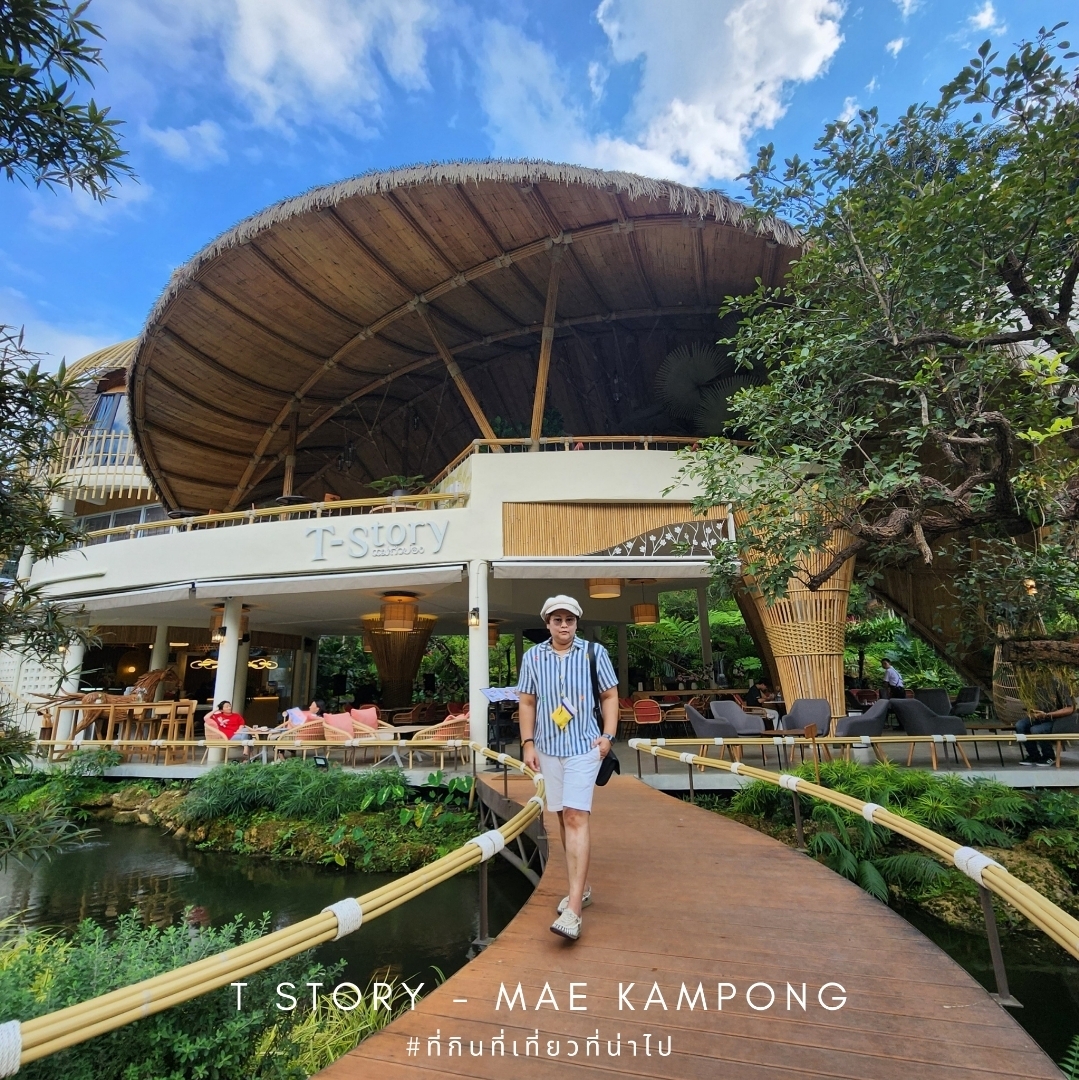
surrounding slopes, and traditional wooden buildings line the road and
waterways.
The village is associated particularly strongly with
miang, fermented tea leaves traditionally chewed across
parts of northern Thailand and neighbouring regions. As demand for miang
declined, tourism became an increasingly important source of income.
Mae Kampong’s community-based tourism initiative emerged in the late
1990s. Research on the village consistently places the organised
development of community tourism around 1999, with the
formal community-based tourism programme launched in
2000. Homestays became central to the model, giving
residents a way to earn directly from visitors while retaining a degree
of local control over tourism development.
That history is more interesting — and more credible — than the
simplified version sometimes repeated online that portrays the village
as either untouched by tourism or completely sealed off from outside
commercial influence. Neither description is quite right. Mae Kampong is
a successful tourism destination that has worked hard to preserve
community participation and local benefit while dealing with the
pressures that success creates.
A village shaped by
tea, water and altitude

Mae Kampong makes more sense once you understand the landscape.
The valley is narrow and steep. Houses have been fitted into the
available ground rather than laid out on a neat grid. Paths rise and
fall. Stairs appear unexpectedly. Footbridges cross the stream. The road
squeezes between buildings and hillside. This is why photographs can be
misleading: the village often looks compact and effortless to walk, but
you will notice the gradient quickly.
At approximately 1,300 metres, the climate is cooler than Chiang Mai
city. In the cool season, early mornings can feel genuinely chilly by
Thai standards. Mist frequently settles into the surrounding hills, and
the forest holds moisture long after the sun has risen.
Water is another defining feature. The stream is not a decorative
addition created for visitors; it is part of the village’s geography.
You hear it while walking, while drinking coffee and from many
accommodation terraces. Follow the road uphill and the water becomes Mae
Kampong Waterfall, a series of forested cascades rather than one
enormous theatrical drop.
The altitude also created the conditions for tea cultivation. Miang
production became central to local livelihoods, and coffee later joined
the agricultural mix. Today the combination of tea, coffee, forest and
tourism gives Mae Kampong much of its identity.
The story
of miang and the rise of community tourism
Long before Mae Kampong appeared on travel feeds, its economy
revolved around tea.
Miang is not simply another name for a cup of Thai tea. It is a
traditional fermented tea-leaf product. Leaves are harvested, steamed
and fermented, producing something that historically formed part of
everyday social and cultural life across northern Thailand.
For generations, families in Mae Kampong worked the steep tea-growing
landscape. But economic conditions changed. Demand for traditional miang
weakened, younger generations had different employment options, and the
village needed additional sources of income.
Tourism began to emerge during the late 1990s. Rather than allowing
the process to develop entirely without local coordination, village
leaders and residents explored a community-based model. Academic
research describes meetings, training, outside support and local
planning during this period. The formal CBT programme was launched in
2000, with homestays at its heart.
Initially only a small number of households participated. The concept
was not to turn every home into a hotel. Visitors would stay with
residents, eat local food, learn about the village and contribute to an
economic system in which a share of tourism income supported
participating households and community purposes.
The model became widely studied because it offered something tourism
planners constantly talk about but rarely achieve neatly: meaningful
local participation.
That does not mean Mae Kampong is frozen in time. Tourism has changed
the village. Cafés have multiplied. Social media has increased weekend
traffic. Accommodation has diversified beyond the earliest cooperative
homestays. Land values and commercial pressures have changed. The more
useful way to understand Mae Kampong is therefore not as an “untouched
village,” but as a community that has spent more than two decades
adapting to tourism while trying to retain control over what that
tourism becomes.
What Mae Kampong feels like
today

Your impression will depend heavily on when you arrive.
On a cool-season Saturday around lunchtime, Mae Kampong can be busy.
Cars and vans arrive from Chiang Mai. Visitors gather around the central
street, cafés fill, and the most photogenic corners attract queues of
phones and cameras. Anyone expecting to stumble into an empty mountain
settlement may wonder what all the fuss is about.
Stay later.
As day visitors begin to leave, the village changes. Traffic eases.
The stream becomes louder than the crowd. Lights come on inside the
wooden houses. The temperature drops. Dinner becomes part of the evening
rather than something squeezed between attractions.
Wake early and it changes again. Mist hangs over the valley. The road
is quiet. Shop shutters are still down. Residents are beginning their
day. This is the strongest argument for sleeping in Mae Kampong rather
than treating it purely as a sightseeing stop.
If you can choose, visit on a weekday. If you can stay, stay one
night. Those two decisions do more to improve the Mae Kampong experience
than almost any complicated itinerary.
When to visit
November to
February: cool, clear and popular
This is the classic Mae Kampong season. Temperatures are comfortable
during the day and can be cool early in the morning and after dark.
Conditions are generally favourable for mountain views, and this is the
period most associated with early-morning mist.
It is also the busiest period, particularly at weekends and around
Thai holidays. If your priority is atmosphere rather than crowds, a
Tuesday morning in January is a very different proposition from a
Saturday lunchtime.
Bring a light jacket. The difference between Chiang Mai city and the
village can be surprisingly noticeable.
March to May: warmer
and potentially hazy
Northern Thailand’s hot season brings higher temperatures and,
importantly, the possibility of poor air quality from the wider regional
burning season. Mae Kampong’s elevation does not make it immune.
If mountain views and photography are central to your plans, check
current air-quality and visibility conditions before travelling. A hazy
day can dramatically change Kew Fin and other viewpoints.
June to October:
greener, wetter and quieter
Rainy season deserves more credit here than it usually gets. The
forest becomes intensely green, streams and waterfalls carry more water,
and visitor numbers can be lower.
The trade-off is obvious: rain can interrupt plans, paths can be
slippery and cloud can obscure mountain views. But Mae Kampong is one of
those places where rain often adds atmosphere rather than destroying it.
A wooden balcony, hot coffee, low cloud and the sound of the stream are
not exactly a travel disaster.
Getting to Mae Kampong
from Chiang Mai
Mae Kampong is close enough to Chiang Mai to be easy, but far enough
into the hills that transport deserves planning.
Driving
For travellers comfortable driving in Thailand, a car offers the most
flexibility. The route east from Chiang Mai passes through the San
Kamphaeng/Mae On area before climbing toward the village.
Allow roughly 60–90 minutes from central Chiang Mai
depending on traffic, stops and your precise starting point. From Chiang
Mai International Airport, allow additional time for crossing the
city.
The final approach is paved but increasingly hilly and narrow. Drive
conservatively, particularly in rain and around bends where local
traffic can appear quickly.
A car also makes it easy to combine Mae Kampong with San Kamphaeng
Hot Springs or other stops on the return journey.
Scooter or motorcycle
A scooter can make the trip, and many riders do it. The issue is not
whether the road is paved; it is whether the rider is comfortable with
gradients, bends, variable weather and Thai traffic.
A 125cc-class automatic scooter is adequate for an experienced rider
travelling sensibly, but carrying a passenger and luggage changes the
equation. More power and better braking can make the hills more
comfortable.
Do not make Mae Kampong your first-ever mountain ride simply because
the distance looks short on a map.
Private transfer
For an overnight stay, ask your accommodation whether it can arrange
a transfer. This is often the easiest option for visitors arriving at
Chiang Mai airport or anyone who does not want to drive.
Confirm the current price directly rather than relying on old online
figures.
Shared transport and tours
Shared vans, local transport and organised tours operate from Chiang
Mai, although schedules and departure arrangements change. For a first
visit with limited time, a tour can remove the logistics entirely.
The disadvantage is that a fixed day tour often brings you into Mae
Kampong at exactly the same time as everybody else and takes you away
before the village becomes quieter.
If you are using organised transport, an overnight arrangement is the
better version.
Arriving and getting around
Mae Kampong is best explored on foot, but “walkable” should not be
confused with “flat.”
Wear shoes with grip. The combination of slopes, steps and wet
surfaces can make sandals less enjoyable than they look in
photographs.
Local vehicles can help with steeper or more distant points.
Availability and fares can change, so ask locally rather than treating
an old quoted price as fixed.
If you have mobility limitations, plan carefully. Parts of the
central village can still be enjoyed, but the terrain was not designed
around modern accessibility standards. Steep gradients, uneven paths and
steps are unavoidable in places.
Where to stay in and
around Mae Kampong
Accommodation is one of the areas where travel articles about Mae
Kampong often become too absolute.
The village is famous for community homestays, and they remain the
most culturally distinctive way to stay. But it is misleading to imply
that every available room is identical, that there are no more
comfortable properties, or that every accommodation business fits neatly
into one historical cooperative structure.
Today you will find a mixture of homestays and small-scale
accommodation in and around Mae Kampong. Some are simple; others are
considerably more polished.
For JLIT, we divide the practical booking choices into three
categories:
Budget: stay for the
village, not the room
Budget options should prioritise location, cleanliness and the
experience of being in Mae Kampong. Expect simpler rooms and fewer
hotel-style services.
The classic community-homestay experience belongs here. Depending on
the host, breakfast or other meals may be part of the arrangement.
Facilities vary, so check the individual listing rather than assuming
every homestay has the same bathroom, bed, air-conditioning or Wi-Fi
setup.
Comfort: privacy
without losing the setting
Comfort properties are for travellers who like the idea of Mae
Kampong but would prefer a private bathroom, a more conventional bed,
stronger amenities or a little more personal space.
This is increasingly an important category because not everybody who
wants to experience the village wants the most traditional form of
homestay.
Premium: the
best available experience in the area
“Premium” in Mae Kampong should not be interpreted as a Bangkok
five-star hotel transplanted into the mountains. The attraction is still
the setting.
The premium category should identify the strongest available rooms,
views, design, privacy and facilities in or near the village, while
keeping expectations realistic.
JLIT’s Featured Place template will show three live choices
in each category — Budget, Comfort and Premium — with photographs and
Booking.com booking links. Availability and prices should be
treated as live information rather than hard-coded into the editorial
article.
Should you stay in Chiang
Mai instead?
Yes, for some travellers.
If you need full-service hotel facilities, a large pool, gym, room
service or international-chain consistency, staying in Chiang Mai and
visiting Mae Kampong during the day may suit you better.
But you give up the best hours.
Mae Kampong after the day-trippers leave and before they arrive the
following morning is a different place. If your schedule allows one
overnight stay, we would choose it.
What to expect from a
homestay
The word “homestay” covers a wide range of experiences, so read the
individual property description carefully.
At the simpler end, expect a clean room in or attached to a local
home, relatively basic furnishings and a more personal relationship with
the host than you would have at a hotel. Some rooms may have ensuite
bathrooms; others may not. Some have air-conditioning; at Mae Kampong’s
elevation, others rely more on the naturally cooler climate.
Meal arrangements vary. Traditional community homestays may include
food, while commercially listed properties can operate more like small
guesthouses.
English ability also varies. Translation apps have made this far
easier than it once was, but a few Thai phrases and a little patience go
a long way.
Most importantly, remember where you are. The point is not to judge a
village home against a city business hotel. Choose the accommodation
style that matches the experience you actually want.
Why one night makes such
a difference

A day trip can show you Mae Kampong. An overnight stay lets you feel
it.
During the day, the village’s most popular stretch can become a
sightseeing corridor. Visitors photograph the stream, order coffee, walk
uphill, eat lunch and leave.
By evening, the balance shifts back toward the people staying
there.
You can eat without watching the clock. You can walk when the road is
quieter. You can hear the water. You can wake early enough to catch mist
and soft morning light without driving from Chiang Mai before dawn.
For photographers, couples, slow travellers and anyone who dislikes
crowds, this is the version of Mae Kampong to aim for.
Two nights can work if you deliberately want to slow down, hike,
read, photograph or simply do very little. For most visitors, though,
one night is the sweet spot.
The best things to do in
Mae Kampong


Walk the village
before doing anything else
Do not arrive and immediately turn Mae Kampong into a checklist.
Start by walking.
Follow the stream. Notice how the buildings fit around the slope.
Cross the small bridges. Look at the tea products in local shops. Stop
for coffee when somewhere appeals rather than because a social-media
list told you it is compulsory.
The village itself is the main attraction.
Mae Kampong Waterfall
The waterfall lies uphill from the main village and is easy to
combine with a walk through the settlement.
Think of it as a sequence of forest cascades rather than a single
huge waterfall. It is especially attractive during and after the rainy
season when water levels are higher and the vegetation is at its
greenest.
Surfaces can be slippery. Good footwear matters more here than the
difficulty of the walk.
Kew Fin viewpoint
Kew Fin is the classic high viewpoint associated with a Mae Kampong
stay.
On a clear morning, the ridge gives broad mountain views toward
Chiang Mai and Lampang. In the right cool-season conditions, mist can
sit below the viewpoint, creating the “sea of mist” photographs for
which northern Thailand is famous.
There is no guarantee. Weather does not care about your
itinerary.
If Kew Fin is a priority, stay overnight and aim for early morning.
Check local conditions the evening before and ask your host about
current access.
Wat Khantha Phueksa
Mae Kampong’s temple provides a quieter cultural counterpoint to the
cafés and viewpoints. Treat it as a functioning religious site rather
than another photo prop.
Dress appropriately, keep noise down and be particularly considerate
if ceremonies or local activities are taking place.
Tea and coffee
This is one of the few places near Chiang Mai where ordering tea or
coffee can connect directly to the agricultural story of the
destination.
Miang shaped Mae Kampong long before flat whites appeared on
balconies. Coffee is a later part of the village economy, but it fits
the highland environment naturally.
Take time to understand both. Buy locally produced tea or coffee if
you want a souvenir that actually relates to the place.
Cafés with a view
Mae Kampong has become famous for cafés, and there are enough of them
that trying to visit every one would defeat the purpose of coming to a
slow mountain village.
Choose one or two.
The best café is not necessarily the one with the biggest online
following. A quiet terrace above the stream with a decent local coffee
can be far more memorable than waiting for the same photograph everybody
else is taking.
Hiking and forest walks
Trails extend beyond the central village into the surrounding
hills.
For anything more ambitious than the well-used visitor routes, ask
locally about conditions and consider a guide. Rain, vegetation and
trail maintenance can change quickly in tropical mountain terrain.
Do not rely exclusively on a line you found on an old map
application.
Photography
Mae Kampong is unusually rewarding because it offers several
completely different visual moods in a small area.
Early morning gives mist, empty streets and soft light. Midday
highlights the green valley and architecture. Rain deepens the colour of
the forest. Dusk brings warm lights to the wooden buildings along the
stream.
If you are serious about photography, stay overnight. The least
interesting time to photograph Mae Kampong is often the same midday
window in which day tours are busiest.
A note about Flight of the
Gibbon
Older Mae Kampong guides frequently recommend Flight of the
Gibbon, the well-known zipline operation historically
associated with the area.
That recommendation needs updating.
The Mae Kampong operation is reported as permanently
closed on current major travel listings, so it should not be
treated as a bookable present-day attraction. Its history still matters
because the company was part of Mae Kampong’s tourism story and was
connected with local projects, but visitors should not build a 2026
itinerary around booking the former zipline course.
This is exactly why JLIT Featured Place guides separate evergreen
destination information from live bookable activities. Attractions
close. Operators change. The guide should change with them.
Food in Mae Kampong

Mae Kampong is not a destination where you need a list of twenty
“must-eat” restaurants.
The better approach is to eat in the village, try northern Thai food,
drink local tea and coffee, and let your accommodation host guide you
toward what is good now.
Homestay meals
If your stay includes dinner or breakfast, take advantage of it.
Eating with or through your host is part of the homestay experience and
often gives you a more personal meal than simply ordering from a
tourist-facing menu.
Tell the property about allergies or dietary restrictions before
arrival.
Mookata
Thai barbecue — mookata — has become particularly visible in Mae
Kampong’s modern tourism image, especially when served on terraces
overlooking the valley.
It is social, warming on a cool evening and a good fit for the
mountain setting. If you are travelling as a couple or group, it is an
easy dinner choice.
Northern Thai flavours
Look beyond generic fried rice and pad Thai. Northern food has its
own identity: herbs, chilli pastes, sausages, curries and vegetables
that differ from the dishes international visitors often associate with
central Thai cuisine.
Availability varies from place to place, which is part of the
point.
Coffee
Have at least one coffee grown or roasted in the area if available.
Ask where the beans come from rather than assuming every café
automatically serves local coffee.
Tea and miang
Tea deserves equal billing with coffee because it reaches much
further back into Mae Kampong’s history.
If you have the opportunity to learn how miang is prepared or try a
local tea product, do it. It connects the tourist village you see today
with the agricultural village that existed before it.
The miang story in more
depth

Miang is one of the keys to understanding northern Thailand’s
highland communities.
Tea plants thrive in the cooler, wetter conditions of the mountains.
In Mae Kampong, leaves were traditionally harvested and processed not
primarily for brewed tea but for fermentation.
The process involves steaming the leaves and fermenting them,
historically creating a product chewed as part of social life and daily
routine. Academic work on Mae Kampong repeatedly identifies miang
production as a central part of the village’s livelihood and cultural
identity.
As consumption patterns changed, the economic importance of miang
declined. Tourism and coffee offered diversification.
But miang did not simply disappear. Its cultural importance remains,
and tea has been adapted into other local products. This is one reason
the village’s tourism story is more interesting than a simple transition
from “farming” to “tourism.” Agriculture, cultural identity and visitor
experience overlap.
A good Mae Kampong visit should leave you understanding that the tea
bushes are not landscaping.
Coffee and a changing
mountain economy

Coffee represents a newer layer of Mae Kampong’s story.
Northern Thailand’s elevation and climate support Arabica cultivation
in many mountain areas, and coffee has become an important alternative
crop across the region.
In Mae Kampong, coffee sits alongside tea, fruit, forest and tourism
rather than replacing them entirely. Cafés create a visible
consumer-facing end to that chain: visitors can sit in the same
landscape where part of what they are drinking may have been grown.
That relationship is commercially useful to the village but also
culturally revealing. Tourism does not merely bring visitors to Mae
Kampong; it changes what can be produced profitably and how local
products are presented.
When buying coffee, tea or village-made products, choose items with
clear local provenance where possible.
San
Kamphaeng and Mae On: make the journey part of the trip
One of the advantages of driving to Mae Kampong is that the route
itself can become part of the itinerary.
San Kamphaeng Hot Springs
The hot springs are a logical stop before or after the village. They
offer a completely different experience from Mae Kampong and work
particularly well on the return journey when you are no longer rushing
to arrive.
Check current opening arrangements before travelling.
Bo Sang and handicrafts
If traditional crafts interest you, the wider San Kamphaeng area is
associated with workshops and handicrafts, while Bo Sang is particularly
famous for painted umbrellas.
Do not force these stops into a one-day Mae Kampong itinerary if they
make the day frantic. They work better when you have your own transport
and an overnight stay.
Responsible
travel in a village people actually live in

Mae Kampong’s popularity makes visitor behaviour more important, not
less.
Ask before photographing
residents
A beautiful wooden house is part of the scenery. The person sitting
on its porch is not.
Ask permission before taking close photographs of people,
particularly inside or around homes.
Keep noise down
The village is compact. Sound carries. If you are staying overnight,
remember that your holiday evening is somebody else’s normal working
night.
Dress appropriately at the
temple
Carry something that covers shoulders and knees if your day involves
temple visits.
Spend locally
Buying a coffee, meal, tea product or locally produced souvenir may
seem insignificant, but thousands of small purchasing decisions
determine how much tourism income remains in the community.
Do not leave rubbish behind
Carry out what you carry in, particularly on forest walks.
Be careful with drones
Do not assume that because a mountain village looks spectacular from
the air you are automatically entitled to fly over homes, temples or
crowds. Check Thai regulations and local expectations before
launching.
Do not turn private
homes into attractions
One of the side effects of social media tourism is that a private
doorway or balcony can suddenly become a “photo spot.” If a location is
clearly somebody’s home, treat it that way.
Practical Mae Kampong
checklist
Bring:
- comfortable walking shoes with grip;
- a light jacket or fleece in cool season;
- a rain layer during wetter months;
- insect repellent;
- cash as a backup;
- a charged phone and power bank;
- offline map access;
- any essential medication;
- a small day bag rather than unnecessary luggage;
- modest clothing if visiting the temple.
Before leaving Chiang Mai:
- check the weather;
- check air quality during burning season;
- confirm your accommodation;
- confirm transfer arrangements if you are not driving;
- download your route;
- tell your accommodation about dietary requirements;
- check the live JLIT map for your destination and nearby stops.
Common mistakes
Visiting only at the busiest
time
If your only experience of Mae Kampong is noon on a peak-season
Saturday, you have seen the village at its least subtle.
Arrive earlier, stay later or choose a weekday.
Trying to “do” every café
You came to a mountain village, not a coffee-shop endurance
event.
Choose a couple you like and leave time to walk.
Assuming the terrain is easy
The village is compact but steep. Plan for gradients.
Booking a room based
only on photographs
Read the facilities. “Homestay” can mean very different levels of
comfort.
Treating old
travel blogs as live information
Operators close. Transport changes. Accommodation changes. Prices
change. Flight of the Gibbon is a perfect example.
Expecting guaranteed mist
Kew Fin is a viewpoint, not a special-effects department.
Rushing back to
Chiang Mai before evening
If you have already made the journey, one overnight stay gives you a
much richer experience.
A three-day Mae Kampong
itinerary
JLIT’s map itinerary system treats the Featured Place as the anchor
and then helps you build around it. If you are starting from Chiang Mai,
this is the version we would use.
Day 1 — Chiang
Mai to Mae Kampong: arrive slowly
Leave Chiang Mai after breakfast rather than at dawn unless you
specifically want to make stops on the way.
If you have your own transport, consider one short San Kamphaeng-area
stop but resist filling the morning with detours. The point is to reach
Mae Kampong with time to enjoy it.
Check into your accommodation, leave your luggage and spend the
afternoon walking the central village.
Follow the stream. Visit the waterfall. Stop for local coffee or tea.
Browse village products. Do not worry about reaching Kew Fin today
unless weather and timing make it particularly appealing.
As day visitors leave, take another walk. This is when the village
starts earning the overnight stay.
Have dinner locally or with your homestay.
Day 2
— early viewpoint, village life and the surrounding hills
Wake early.
If conditions look promising, head toward Kew Fin for the morning
view. Ask your host the previous evening about current transport or
access rather than improvising before sunrise.
Return for breakfast.
Spend the rest of the morning exploring the quieter sections of the
village, tea and coffee areas, the temple and whichever cafés or local
shops interest you.
In the afternoon, choose a currently operating local experience or
guided activity from the JLIT/Viator recommendations rather than relying
on outdated attraction lists.
Keep the second night relaxed. Mae Kampong works best when you stop
trying to optimise every hour.
Day 3 — Mae
Kampong to San Kamphaeng and Chiang Mai
Have a slow breakfast and one final walk before checking out.
Drive back toward Chiang Mai through Mae On and San Kamphaeng. This
is the ideal day for the hot springs or handicraft stops because you are
already travelling in that direction and do not have to watch the clock
for a village check-in.
Return to Chiang Mai by late afternoon or continue to your next
destination using the JLIT journey planner.
If you have only one day
Leave Chiang Mai early.
Go directly to Mae Kampong rather than filling the outward journey
with stops. Walk the village, visit the waterfall, have lunch, drink
local coffee or tea and decide whether Kew Fin is realistic based on
weather and timing.
On the way back, add one San Kamphaeng-area stop if you still have
energy.
A day trip works. Just understand that you will experience the
village primarily during its busiest visitor hours.
If you have two nights
Two nights are ideal for travellers who enjoy slow mornings,
photography, hiking or simply staying somewhere cool and green.
Use the first afternoon to explore the village. Use the second
morning for Kew Fin. Leave the second day deliberately loose: a longer
walk, local guide, café, reading, photography or a currently available
excursion.
This is also the better format during rainy season because you have
flexibility if one afternoon is washed out.
Who Mae Kampong suits
Couples
Very well, particularly for a one-night escape from Chiang Mai.
Choose accommodation with a view and stay through the evening.
Solo travellers
Also well. The village is manageable alone, and a homestay can
provide more human contact than an anonymous hotel.
Families
Possible, but consider the hills, steps and transport logistics. Very
young children or pushchairs make some sections less convenient.
Photographers
Excellent. Stay overnight and prioritise dawn and dusk.
Motorcyclists
A pleasant short ride from Chiang Mai for experienced riders, and an
easy Featured Place to incorporate into a wider northern route.
Digital nomads
Good for a break, not necessarily for a working retreat. Connectivity
varies and the whole point is arguably to spend less time looking at a
laptop.
Luxury travellers
Mae Kampong can still be worthwhile, but choose the best available
boutique accommodation or stay in Chiang Mai and visit. Do not expect
the infrastructure of a five-star resort destination.
Travellers
with significant mobility limitations
Possible in part, but challenging. Research your accommodation
carefully and discuss transport/access before arriving.
Mae Kampong versus Pai
These destinations are sometimes grouped together because both are
associated with northern mountains, but they are very different.
Pai is a town with a substantial tourism economy, nightlife,
restaurants, bars, accommodation across many price points and a
long-established international backpacker scene.
Mae Kampong is much smaller, quieter and easier to reach from Chiang
Mai. Its attraction is concentrated around village atmosphere, landscape
and community tourism rather than nightlife.
Choose Pai if you want several days of traveller infrastructure and
social life. Choose Mae Kampong if you want a short mountain-village
escape.
Mae Kampong versus Ban Rak
Thai
Ban Rak Thai, near Mae Hong Son, has a distinct Yunnanese Chinese
cultural identity and a lakeside mountain setting. It requires much more
effort to reach from Chiang Mai and fits naturally into the Mae Hong Son
Loop.
Mae Kampong is far easier as a standalone excursion.
Both reward an overnight stay. They simply tell different
stories.
Mae Kampong versus Mon Cham
Mon Cham is closer to the classic viewpoint-and-resort day-trip
model, with broad mountain views and accommodation scattered through the
hills.
Mae Kampong’s identity is more tightly connected to the historic
village, stream, tea cultivation and community-based tourism.
If you want panoramic scenery and hillside accommodation, Mon Cham
may appeal more. If you want a walkable settlement with a stronger
village story, choose Mae Kampong.
Safety and accessibility
Mae Kampong is generally a straightforward destination, but mountain
environments create their own practical risks.
Roads can become slippery in rain. Paths can be wet. Visibility can
fall quickly. Motorcyclists should slow down rather than treating the
ride as a race.
Solo travellers should follow the same sensible precautions they
would elsewhere: keep someone informed of plans, protect valuables and
use reputable accommodation and transport.
For accessibility, contact the property before booking. Do not rely
on generic “accessible” assumptions. Ask about steps, bathroom access,
vehicle access and the distance from parking to the room.
What happens when it rains?

You get wet.
More usefully: Mae Kampong often remains attractive in poor weather.
The forest becomes darker and greener, cloud sits lower in the valley
and the waterfall gains volume.
Move the day around the weather. Spend the heaviest rain in a café or
under cover. Walk when it eases. Skip exposed viewpoints if visibility
is poor.
Do not attempt slippery forest trails simply because your itinerary
says “hike at 2pm.”
Booking accommodation and
activities
For accommodation, use live listings rather than prices printed in an
article months earlier.
The JLIT Featured Place page is designed to display nine
accommodation options:
- three Budget;
- three Comfort;
- three Premium.
Each should include a current photograph, short JLIT explanation and
Booking.com affiliate route.
For experiences, the page should show three current bookable
activities suitable for a three-day stay. These should be
pulled from the active Viator catalogue and checked periodically. We
deliberately avoid hard-wiring a closed attraction into the editorial
copy.
This separation matters. The history of Mae Kampong changes slowly.
Hotel availability and tours can change overnight.
Frequently asked questions
How far is Mae Kampong
from Chiang Mai?
Roughly 50 kilometres from Chiang Mai city, with typical driving time
around 60–90 minutes depending on traffic, route and conditions.
Is Mae Kampong worth
staying overnight?
Yes. If your schedule allows it, one night is our preferred way to
experience the village because you gain the quieter evening and early
morning.
Can I drive a scooter there?
Yes, if you are already a competent rider. The route is paved but
becomes hilly and winding. Rain and carrying a passenger make it more
demanding.
Is Mae Kampong suitable
for children?
For many families, yes. The main limitation is the steep terrain and
steps rather than a lack of things to see.
When is the best time to
visit?
November to February offers cooler weather and often clearer mountain
conditions, but weekends can be busy. Rainy season is greener and can be
quieter.
Will I
definitely see the sea of mist at Kew Fin?
No. It depends on weather conditions. Staying overnight gives you the
best chance of being there early enough when conditions are
favourable.
Does Mae Kampong have hotels?
It is better to think in terms of homestays, guesthouses and
small-scale accommodation rather than large conventional hotels. The
range is broader today than older guides sometimes imply.
Is Flight of the Gibbon open?
The Mae Kampong operation is currently reported as permanently closed
and should not be planned as a live attraction.
Do I need cash?
Carry some. Digital payments are common in Thailand, but small
businesses and connectivity can make cash a useful backup.
Is English widely spoken?
You will encounter some English in tourism businesses, but not
everybody speaks it. A translation app is useful.
Can I visit during rainy
season?
Yes. Expect rain, slippery surfaces and variable visibility, but also
greener forest and stronger waterfalls.
How many nights should I
stay?
One night suits most visitors. Two nights are worthwhile for slow
travel, photography or hiking.
JLIT’s verdict
Mae Kampong is no longer a secret, and pretending otherwise does it
no favours.
Its success has brought crowds, cafés, commercial pressure and the
contradictions that come with being a small community turned into a
major domestic tourism destination. But that does not erase what makes
the village special.
The setting is still exceptional. The stream still runs through the
settlement. Tea remains embedded in the village’s history. The
community-based tourism model that formally took shape around 1999–2000
remains central to understanding how Mae Kampong developed. The cooler
mountain climate makes it an easy escape from Chiang Mai, and an
overnight stay still reveals a quieter side that day visitors often
miss.
Come for the scenery if you like. Stay for the evening. Drink the
coffee. Learn what miang is. Walk uphill until the central street
disappears behind you. Wake early. Look for the mist without demanding
that nature perform on schedule.
Most importantly, treat Mae Kampong as a place rather than a
backdrop.
That is why it is a JLIT Featured Place.
Plan Mae Kampong with JLIT
See it on the Interactive Map
Open the JLIT Thailand Explorer and look for the large pulsing blue
Featured Place pin at 18.865693, 99.351534.
Watch the member video
Return to the Where You’ve Been section of the
Five-Minute Daily Briefing to see the Mae Kampong member feature.
Find somewhere to stay
Compare the live Budget, Comfort and Premium
accommodation selections and book through JLIT’s Booking.com affiliate
route.
Choose things to do
See three current Viator experiences selected for the Mae Kampong/Chiang
Mai area.
Build your journey
Make Mae Kampong a destination or stopover in the JLIT itinerary planner
and connect it to the rest of your Thailand route.
Been somewhere we should feature next?
Send JLIT your travel video. Your trip could become the next
Where You’ve Been video and the next JLIT
Featured Place.
Stay the night. See the village after the crowds leave.
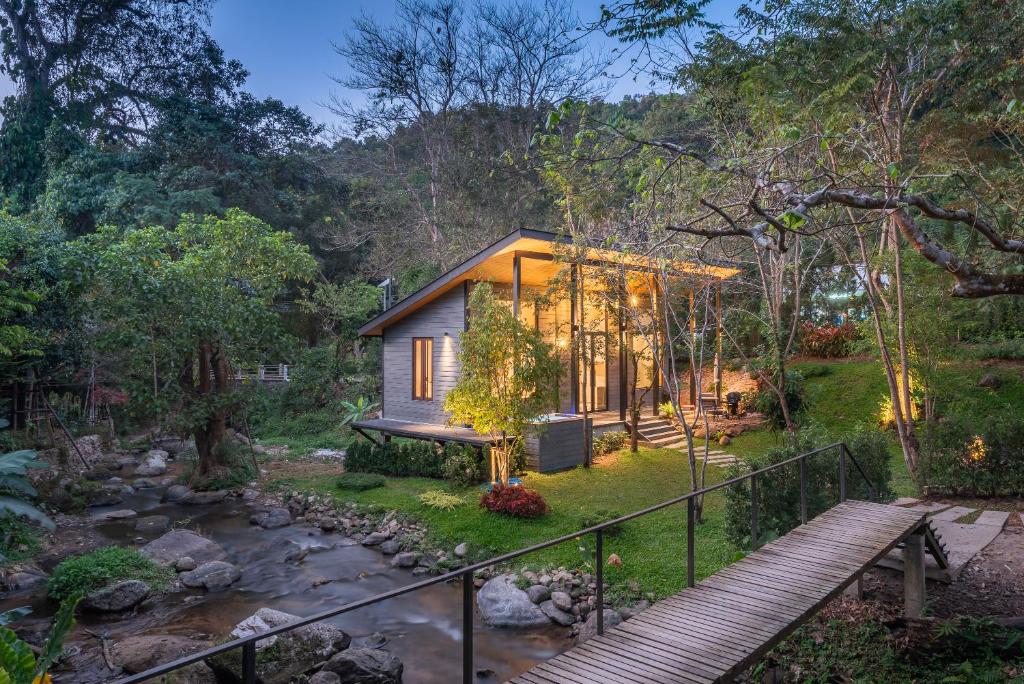
Nine Mae Kampong-area stays currently listed on Booking.com, split into three practical JLIT tiers. Click any property to check live dates, rooms and prices through JLIT’s Booking.com affiliate route.
Budget · simple & local
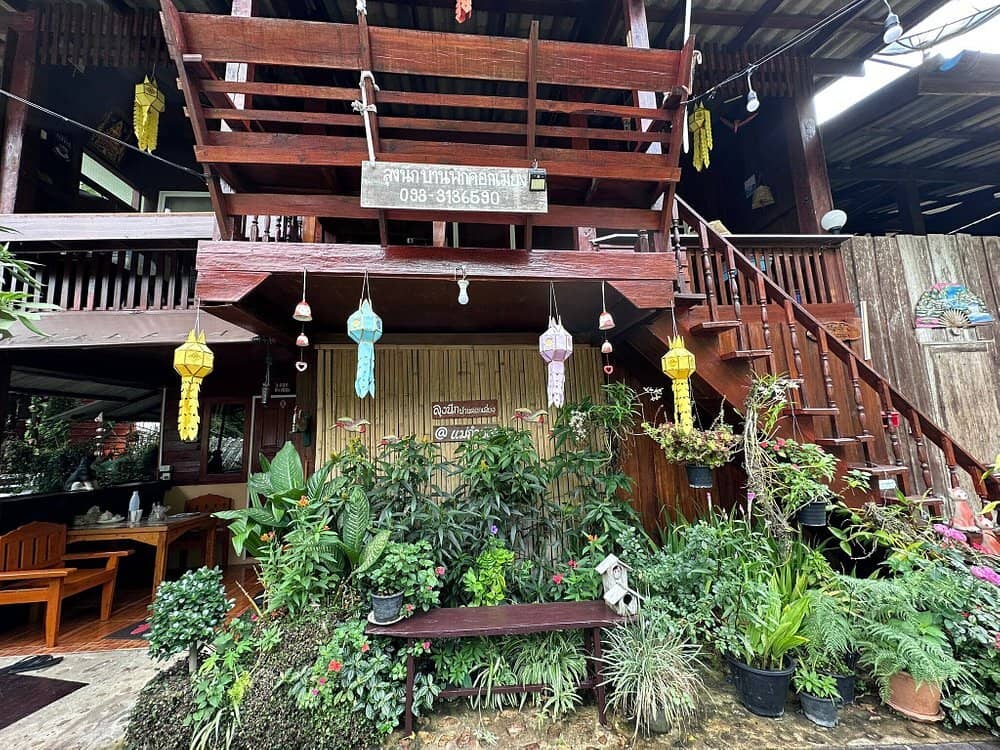 BOOKING.COM
 BOOKING.COM
 BOOKING.COM
Comfort · more privacy
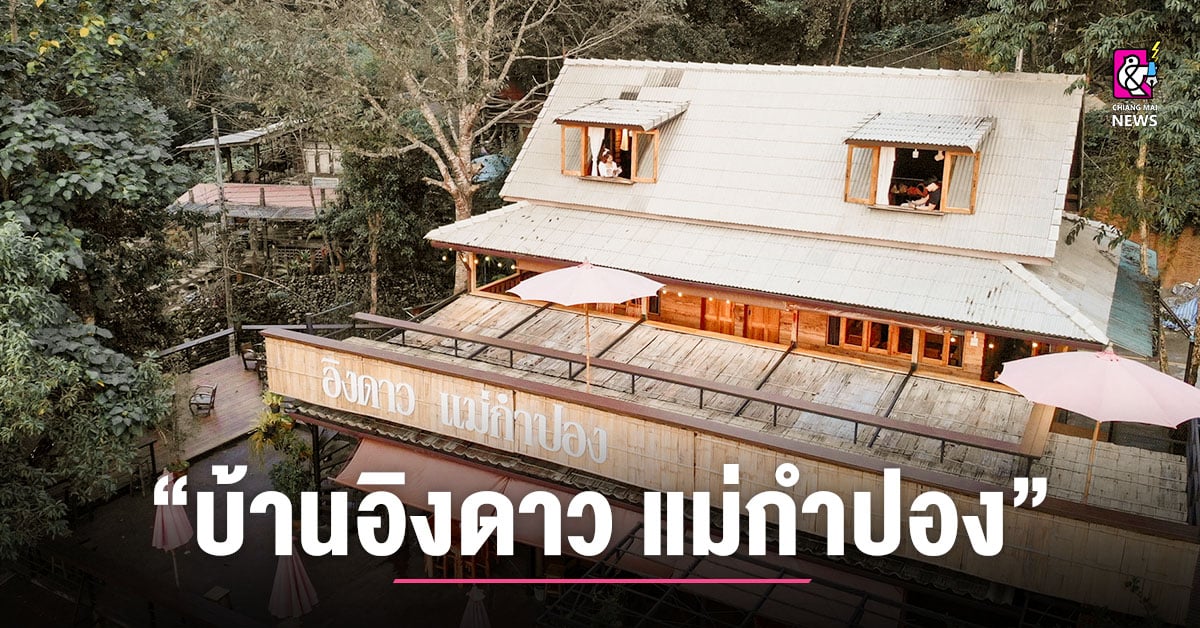 BOOKING.COM
 BOOKING.COM
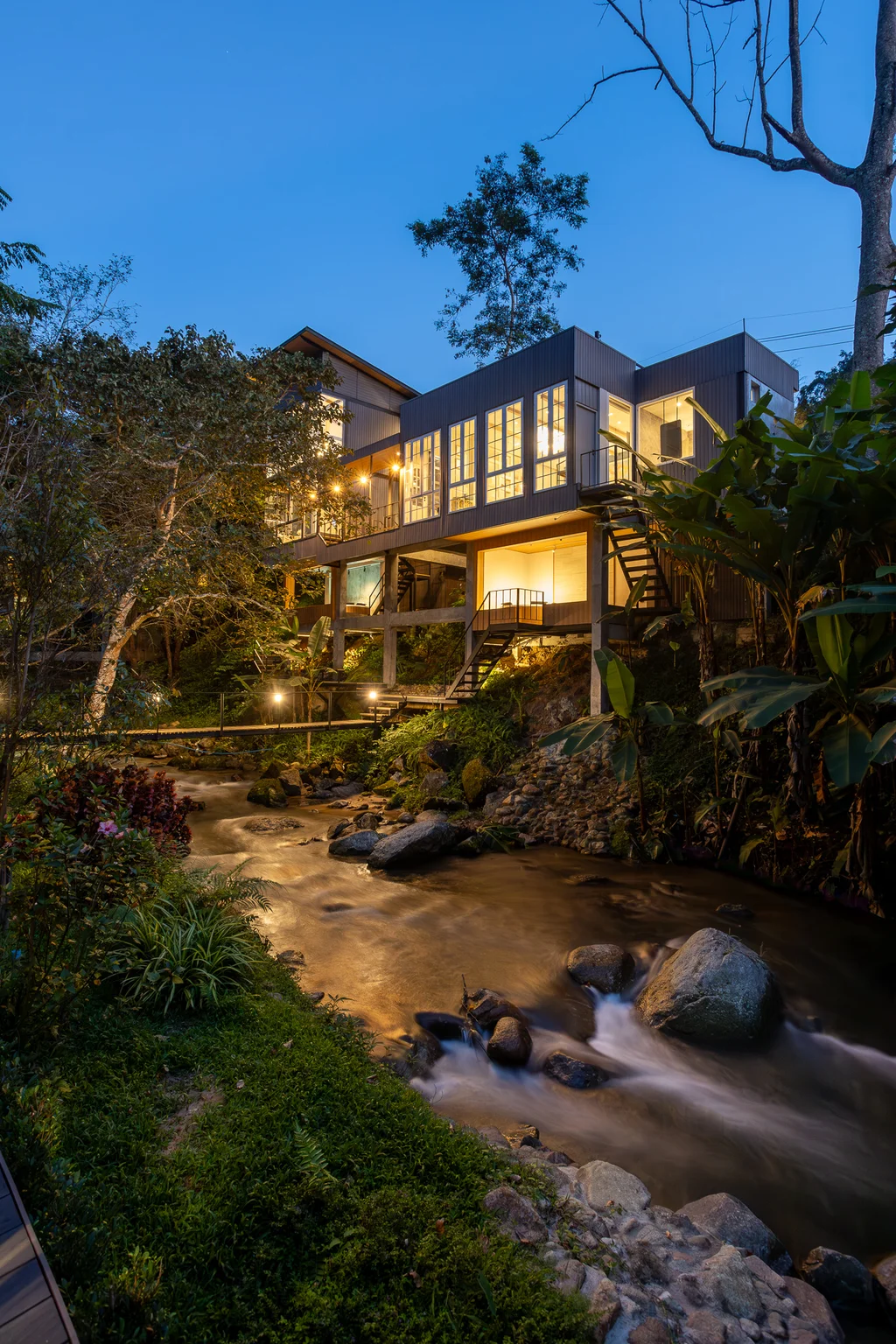 BOOKING.COM
Premium · best available comfort
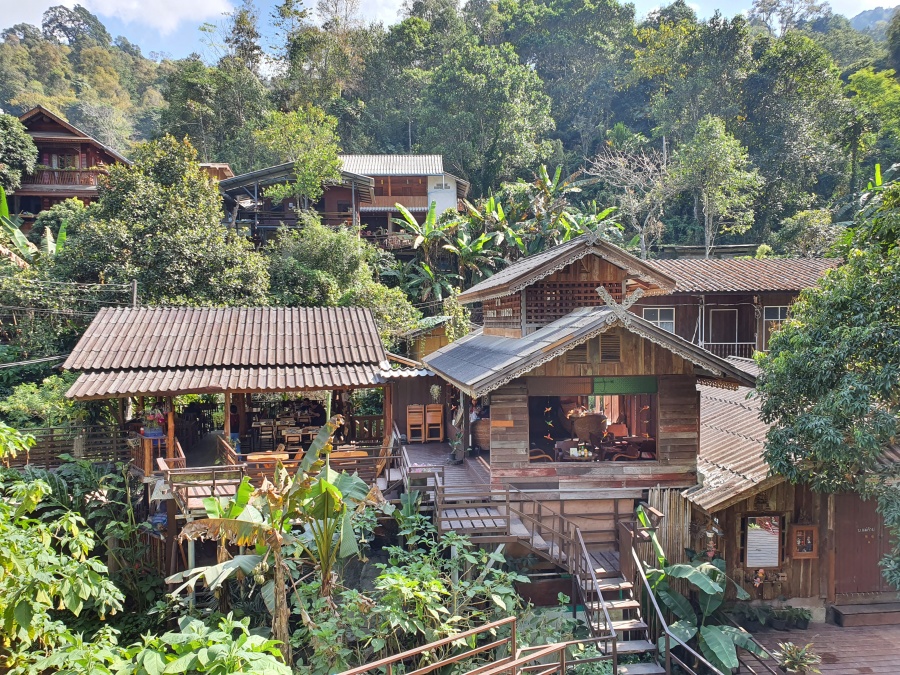 BOOKING.COM
 BOOKING.COM
 BOOKING.COM
Featured Places now has its own permanent library.
Every future member-video destination can live here with its guide, photographs, map link, stays and itinerary.
Want the next Featured Place?
Register free with JLIT for new member videos, Featured Places, weekly discoveries and the growing Thailand planning tools.
REGISTER WITH JLIT FREE →