


Horse carriages, old teak streets and the quieter soul of the north.
Lampang is close enough to Chiang Mai for an easy weekend, but it tells a different northern story: a former river-and-teak trading city, a living horse-carriage tradition, major Lanna temples and the ceramic workshops behind Thailand’s famous rooster bowl.
Lampang is not a smaller Chiang Mai. That is exactly why you go.
The easy mistake is to treat Lampang as somewhere you pass on the way to somewhere else. Give it two nights and the city makes much more sense. The pace is slower, the Wang River still anchors the old centre, historic merchant houses survive around Kad Kong Ta, and some of northern Thailand’s strongest Lanna architecture sits within a short drive.
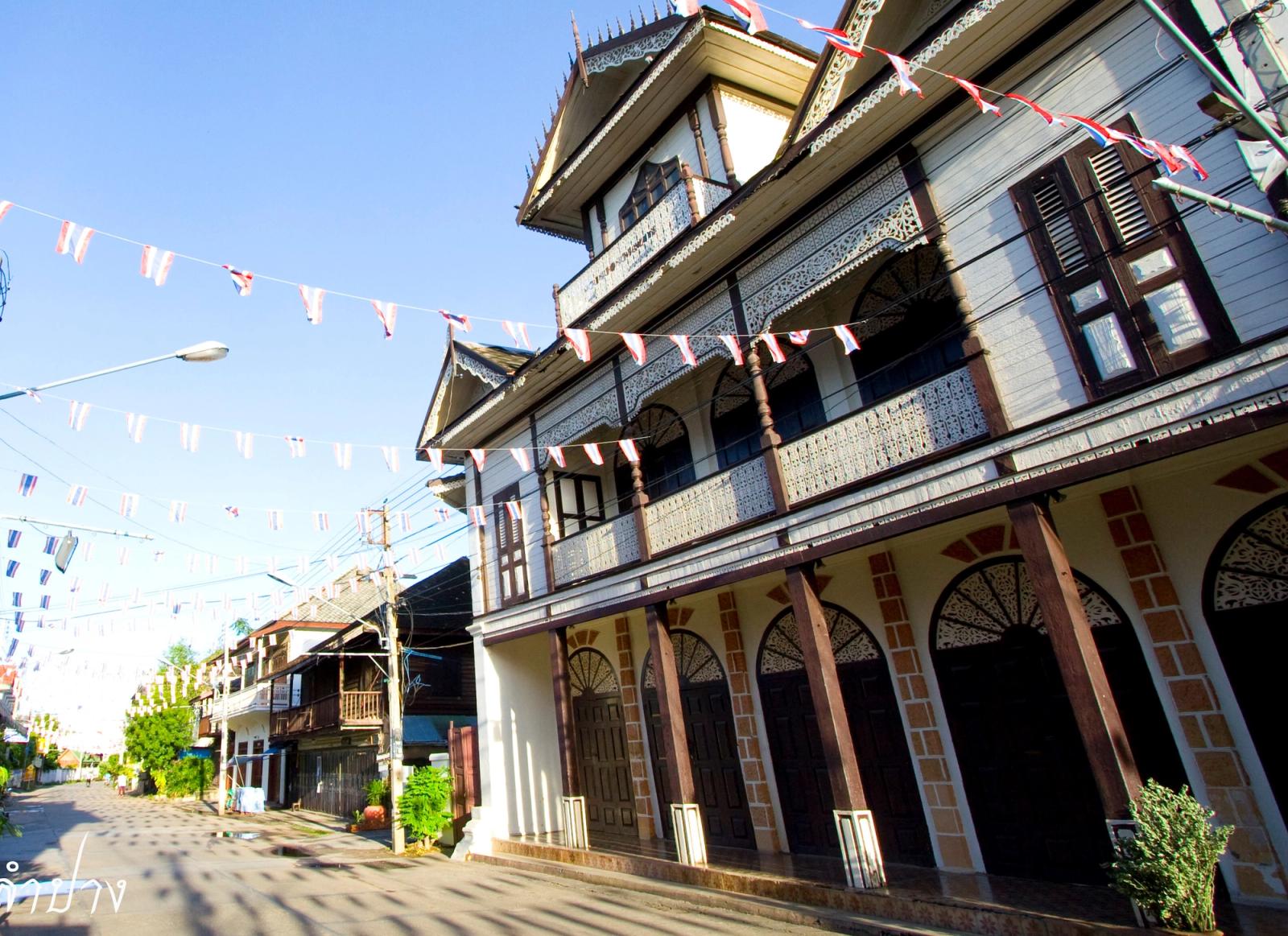
For centuries Lampang developed as a northern settlement on the Wang River. Its later prosperity was tied to trade and teak, bringing Thai, Chinese, Burmese and Western commercial influences into the city. You can still read that history in the architecture around the old riverside quarter rather than only in a museum display. Kad Kong Ta became an important trading area, and its surviving buildings are one reason the city feels visually different from Chiang Mai.
Lampang also has one of the north’s most recognisable forms of transport. Horse-drawn carriages arrived in the early twentieth century and survived here after disappearing from most other Thai cities. Today they are part of Lampang’s identity, but the point is not simply to tick off a carriage ride. Moving slowly through the old streets actually suits the city.
Why Lampang matters historically
Wat Phra That Lampang Luang is the anchor. The walled complex at Ko Kha is one of the north’s most important surviving examples of Lanna religious architecture, with timber halls, layered roofs, murals and a major chedi. It deserves time rather than a twenty-minute photo stop.
Back in town, Wat Phra Kaeo Don Tao adds another layer to the story: tradition holds that the Emerald Buddha was kept here during the fifteenth century. Around the Wang River, Kad Kong Ta tells the commercial story instead — a neighbourhood shaped by merchants, river traffic and the teak economy.
Why a rooster bowl belongs in a Lampang guide.
Lampang’s ceramics are not a decorative theme added for tourists. The province became an important ceramic centre because suitable kaolin clay was found here, and Chinese ceramic makers helped establish the industry in the twentieth century. The hand-painted rooster bowl became the emblematic product and is now protected as a Lampang geographical indication.
The Dhanabadee Ceramic Museum is the clearest place to understand the connection. It traces the industry, the clay, the kilns and the traditional production process. Watching a rooster motif being painted by hand turns what looks like a simple household bowl into a piece of Lampang’s industrial and immigrant history.

Who should make this trip?
Couples get an easy, low-pressure weekend with good food and attractive old streets. Solo travellers get a manageable city with enough depth to explore independently. Families can mix temples and heritage with ceramics and the novelty of the horse carriages. Friends can build the weekend around markets, cafés and a countryside extension. It is also one of the easiest Chiang Mai escapes for anyone who does not want a long Friday drive.
A proper weekend, not a race through a checklist.
The route keeps the city, its history and its craft together, then leaves Sunday flexible enough for a final temple or countryside stop before returning to Chiang Mai.

Chiang Mai → old Lampang
Lanna history + ceramics
Old town, temple, then Chiang Mai
Three Lampang bases that fit the weekend.
All three work with the route, but they give you different versions of Lampang: rural Lanna atmosphere, historic riverside character or a straightforward central base.

Lampang River Lodge
A leafy Lanna-style retreat outside the centre for travellers who want the weekend to feel rural as well as historic.
Check this hotel →
The Riverside Guest House Lampang
A characterful teak riverside base close to Kad Kong Ta, old Lampang and the Wang River evening atmosphere.
Check this hotel →
The Space Hotel Lampang
A practical central stay for travellers who want easy access to the old town, restaurants and the road south to Lampang Luang.
Check this hotel →Three ways to add more Lampang without breaking the route.
These are here because they reinforce the weekend — temples, rail, countryside and local context — rather than simply filling cards.

Unseen Temples in Lampang
A guided Lampang temple day built around the province’s major Lanna heritage and mountain scenery.
View this experience →
Lampang by Train, Temple & Local Market
Make the railway part of the experience, then connect Lampang’s temples, viewpoints and local life.
View this experience →
The Rustic Roads of Lampang
A quieter countryside day through villages, landscapes and northern culture beyond the city centre.
View this experience →The whole Chiang Mai → Lampang weekend is already mapped.
Open the route with the overnight stops, hotels and experiences in place. Then make it yours: add or remove a stop, change the pace, swap accommodation or extend Sunday before returning to Chiang Mai.

Keep going north.
The Lampang guide now uses the same fixed information architecture that should carry through the rest of the Chiang Mai weekend collection.
