


Phuket → Koh Lanta
A road-and-island weekend with enough culture to justify leaving the beach.
Koh Lanta deserves more than a pin on the map.
Koh Lanta is really a district of islands, but most visitors mean Koh Lanta Yai: the long island of west-coast beaches, forested hills, Old Town and Mu Ko Lanta National Park. It rewards a weekend because its character changes as you move south rather than repeating the same resort strip.
Its human history is unusually layered. Urak Lawoi sea people have lived around Lanta for centuries; Muslim fishing and farming communities became central to island life; Chinese merchants helped shape the east-coast trading settlement now known as Lanta Old Town. The result is a plural island culture visible in food, religion, architecture and community traditions.
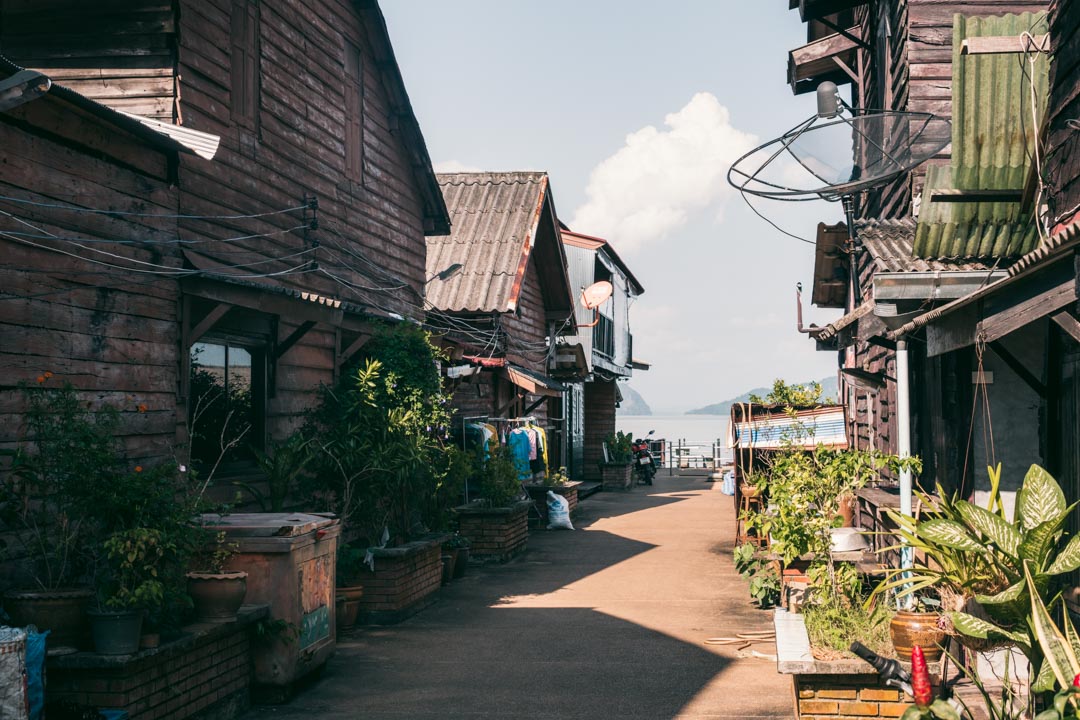
Lanta Old Town faces east, away from the resort beaches. Wooden shophouses and stilted buildings recall the period when this sheltered coast connected trading boats and fishing communities. It is the place to slow down over seafood and understand why the island existed long before tourism arrived on the west coast.
At the southern end, Mu Ko Lanta National Park protects rainforest, headlands and coastal habitat. Between north and south are long beaches such as Klong Dao, Long Beach and Klong Nin, while Kantiang Bay gives the far south a more dramatic, enclosed feel.
Food tells the same mixed story: fresh seafood, southern curries, Muslim dishes, roti and simple local breakfasts sit beside international beach restaurants. Families have easy beaches in the north; couples can go farther south; solo travellers can dive, explore Old Town or use the island as a base for nearby marine trips.
The east and west coasts tell different stories. The west faces the Andaman and carries the long resort beaches; the east is more sheltered, with mangroves, fishing communities and Old Town looking toward smaller islands. Crossing the island is therefore part of understanding Lanta rather than dead travel time.
The Urak Lawoi sea people remain an important part of the district’s identity, alongside Muslim villages and Thai-Chinese trading families. Visitors should treat community areas as living neighbourhoods, not attractions, and use local guides when they want deeper cultural context.
Koh Lanta's length is part of its appeal. The north is easier for arrivals and family beaches; the middle becomes progressively calmer; the far south feels greener and more dramatic. Driving that progression is one of the weekend's experiences rather than merely transport.
Saladan is the practical arrival hub, but it should not define the island. Crossing to the east coast reveals mangroves, fishing communities and Old Town, while continuing south reaches smaller beaches and the national-park landscape.
Southern Thai and Muslim food traditions are easy to find away from international resort menus: seafood, curries, roti, grilled fish and rice dishes make food stops useful cultural stops as well. Old Town is particularly good for combining lunch with historical context.
Families tend to appreciate Klong Dao and Long Beach; couples and slower travellers often prefer Klong Nin or farther south; solo travellers can use diving and boat trips for a social element. Drivers and riders should allow more time than the map suggests because stopping is the point.
What Koh Lanta is famous for
Drive the west coast slowly and watch the island become quieter as you move south from Saladan and Klong Dao toward Kantiang.
Give Lanta Old Town real time for wooden architecture, waterfront seafood and the island’s trading history.
What you will actually see
Learn about the Urak Lawoi respectfully; communities are living places, not staged attractions, and photography should never be assumed.
Mu Ko Lanta National Park gives the weekend rainforest, headland views and the lighthouse landscape at the island’s southern end.
A mangrove or kayaking trip on the east side adds another ecosystem and a useful contrast to west-coast beaches.
Families do particularly well around Klong Dao and Long Beach; couples and quieter travellers may prefer Klong Nin or Kantiang.
Who should make this trip?
It suits families, couples, food travellers, divers, riders/drivers and people interested in local culture as much as beaches.
Because the journey is longer than Khao Lak or Krabi, leave Phuket early enough on Friday to make the first evening enjoyable rather than merely arriving exhausted.
A proper route, not a list of pins
Use this as the starting itinerary, then open it in Explorer to change the pace, hotels or experiences.

Friday — Phuket to Koh Lanta
Saturday — Old Town, culture & the far south
Sunday — Mangroves, beach & Phuket
Three bases that fit this route
Choose the stay that matches your budget and pace; the route itself stays intact.

Pimalai Resort & Spa
A landmark luxury resort in the far south, surrounded by forest and beach near Kantiang Bay.
Check this hotel →
Layana Resort & Spa
An adults-focused premium option on Long Beach for couples who want calm without being isolated.
Check this hotel →
Avani+ Koh Lanta Krabi Resort
A polished northern-island option convenient for arrivals, beaches and exploring the island by road.
Check this hotel →Three bookable ideas that belong here
No unrelated multi-day loops or chauffeur services: these are selected to match the place and the weekend.
Koh Lanta Old Town & Cultural Discovery
Explore the historic east coast, wooden waterfront and the island’s mixed trading and community heritage.
View this experience →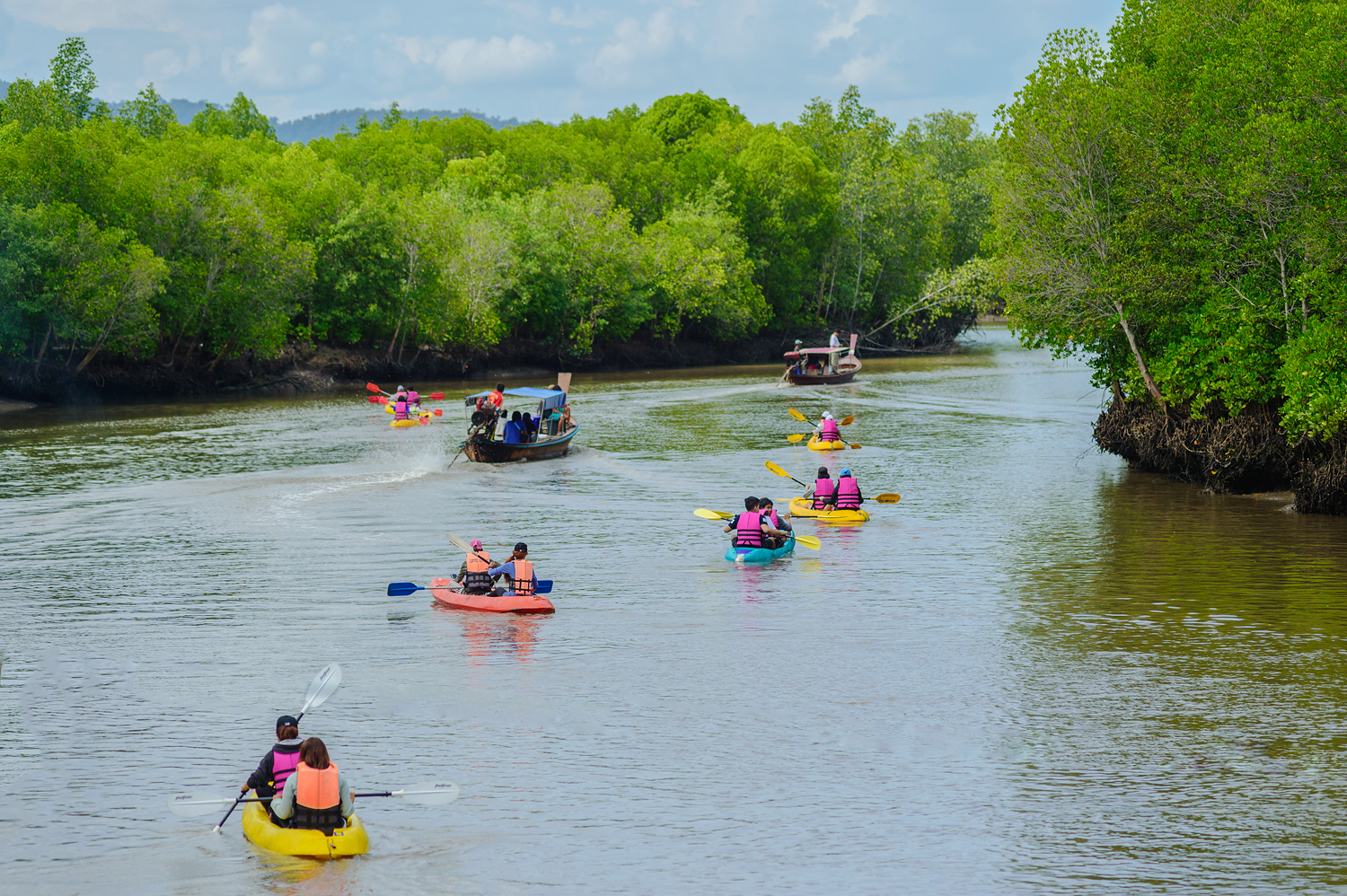
Koh Lanta Mangrove Kayaking
Paddle the quieter east-coast mangrove environment and see a completely different side of Lanta.
View this experience →
Koh Lanta Snorkelling & Island Day
Use Lanta as a base for a marine day among reefs and smaller Andaman islands.
View this experience →
