


Phuket → Phi Phi Islands
Stay overnight and Phi Phi becomes an island rather than a day-tour queue.
Phi Phi Islands deserves more than a pin on the map.
Phi Phi is an archipelago, not a single beach. Phi Phi Don is the inhabited island with hotels, restaurants and village life; Phi Phi Leh is protected national-park territory where Maya Bay, Pi Leh Lagoon and the most dramatic limestone walls sit. Understanding that split makes the weekend far more interesting than treating Phi Phi as one famous photograph.
The islands are limestone karsts shaped by water over immense geological time. Cliffs rise directly from the Andaman Sea, caves cut into the rock and shallow bays hold coral and marine life. That geography created the lagoons and vertical scenery that made Phi Phi internationally famous.
Maya Bay became globally known through the film The Beach, but fame brought severe environmental pressure. Its later closure and controlled reopening turned the bay into a visible case study in overtourism and marine recovery. Visit under current national-park rules and let the conservation story be part of the experience.
Phi Phi Don has another personality after the day boats leave. Tonsai is dense, walkable and lively, while quieter bays on the north and east coast can feel almost separate. The viewpoint above Tonsai shows the narrow sandbar and twin bays that explain the island’s unusual shape.
Food ranges from simple southern Thai seafood, curries and roti to international traveller fare. Families can choose quieter resort zones; younger travellers can use Tonsai for nightlife; divers and snorkellers have reef sites and marine life close at hand.
The 2004 Indian Ocean tsunami devastated Phi Phi Don and reshaped both the island and its tourism economy. Rebuilding brought stronger infrastructure but also intensified questions about density, waste, water and the pressure placed on a very small island system. That history helps explain why responsible tourism matters here more than a generic paradise label suggests.
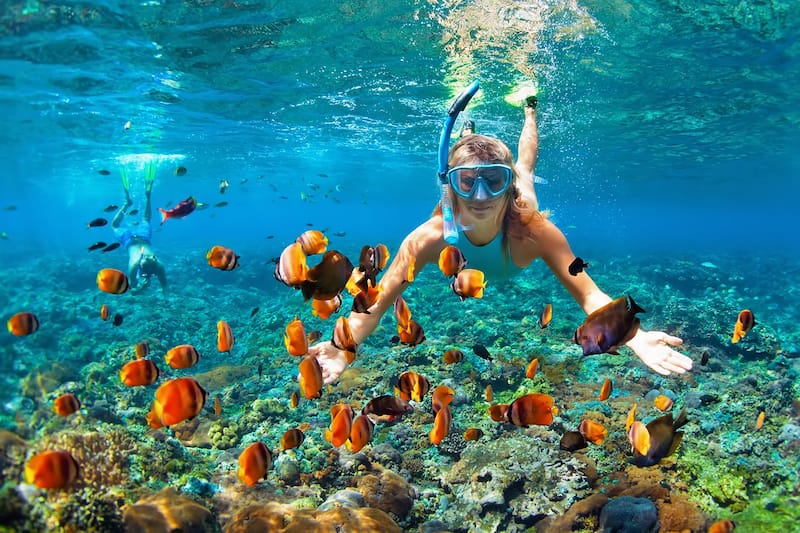
Beyond Maya Bay, the archipelago rewards people who understand the water: limestone walls continue below the surface, reef systems support colourful fish, and dive sites range from approachable reef dives to more demanding walls and wreck access. A good weekend leaves time in the sea rather than simply photographing it from a boat.
The most useful way to plan Phi Phi is by time of day. The central bays can be intensely busy when Phuket and Krabi day boats overlap, while early morning, late afternoon and an overnight stay reveal a noticeably calmer archipelago.
Phi Phi Don has no conventional road network linking the visitor areas, so walking and longtail boats shape the experience. That changes how you plan luggage, hotel transfers and dinners, particularly for families or anyone staying away from Tonsai.
Marine conditions matter more here than on a conventional city break. A good operator adjusts snorkelling and boat stops to sea state and park rules, provides proper safety equipment and avoids treating wildlife encounters as guaranteed entertainment.
Food and nightlife are concentrated around Tonsai, but quieter resort bays create a completely different evening. Families and couples should choose their base deliberately; solo travellers wanting a social weekend may prefer the village, while divers and quieter travellers can stay farther out.
What Phi Phi Islands is famous for
Visit Maya Bay and Phi Phi Leh early with a responsible operator, then continue through Pi Leh Lagoon and snorkelling water rather than making one beach the entire day.
Climb to the Phi Phi viewpoint in the cooler part of the day for the classic twin-bay geography.
What you will actually see
Explore Tonsai Village on foot, but also use a longtail to reach quieter beaches and understand how different the island feels away from the central strip.
Snorkelling and diving are central experiences, with reef fish, turtles and blacktip reef sharks possible in the wider archipelago.
Families should base away from the loudest nightlife and use private or small-group boats where possible; solo travellers will find tours and social life easy to join.
Respect marine-park restrictions, do not chase wildlife, and treat reef protection as part of the trip rather than an inconvenience.
Who should make this trip?
It works for couples, families, solo travellers, snorkellers and divers; nightlife seekers can stay near Tonsai while quieter travellers should choose the north/east coast.
The key is staying overnight: early mornings and late afternoons reveal a much better version of the islands than the middle of a day-trip rush.
A proper route, not a list of pins
Use this as the starting itinerary, then open it in Explorer to change the pace, hotels or experiences.

Friday — Phuket to Phi Phi Don
Saturday — Phi Phi Leh, Maya Bay & the water
Sunday — Slow island morning & Phuket
Three bases that fit this route
Choose the stay that matches your budget and pace; the route itself stays intact.

SAii Phi Phi Island Village
A substantial resort on quiet Loh Ba Gao Bay with beach, pools, diving and a marine discovery focus.
Check this hotel →
Zeavola Resort
A quieter premium choice on Laem Tong for travellers who want Phi Phi without staying in the busiest part of Tonsai.
Check this hotel →
Phi Phi Holiday Resort
A family-friendly north-coast option that gives the weekend more beach and less central-village intensity.
Check this hotel →Three bookable ideas that belong here
No unrelated multi-day loops or chauffeur services: these are selected to match the place and the weekend.

Phi Phi Leh, Maya Bay & Lagoon Boat Trip
A focused boat day for Maya Bay, Pi Leh Lagoon and the limestone scenery of protected Phi Phi Leh.
View this experience →Phi Phi Snorkelling & Reef Wildlife
Spend time in the water with reef fish and marine life rather than treating the islands only as scenery.
View this experience →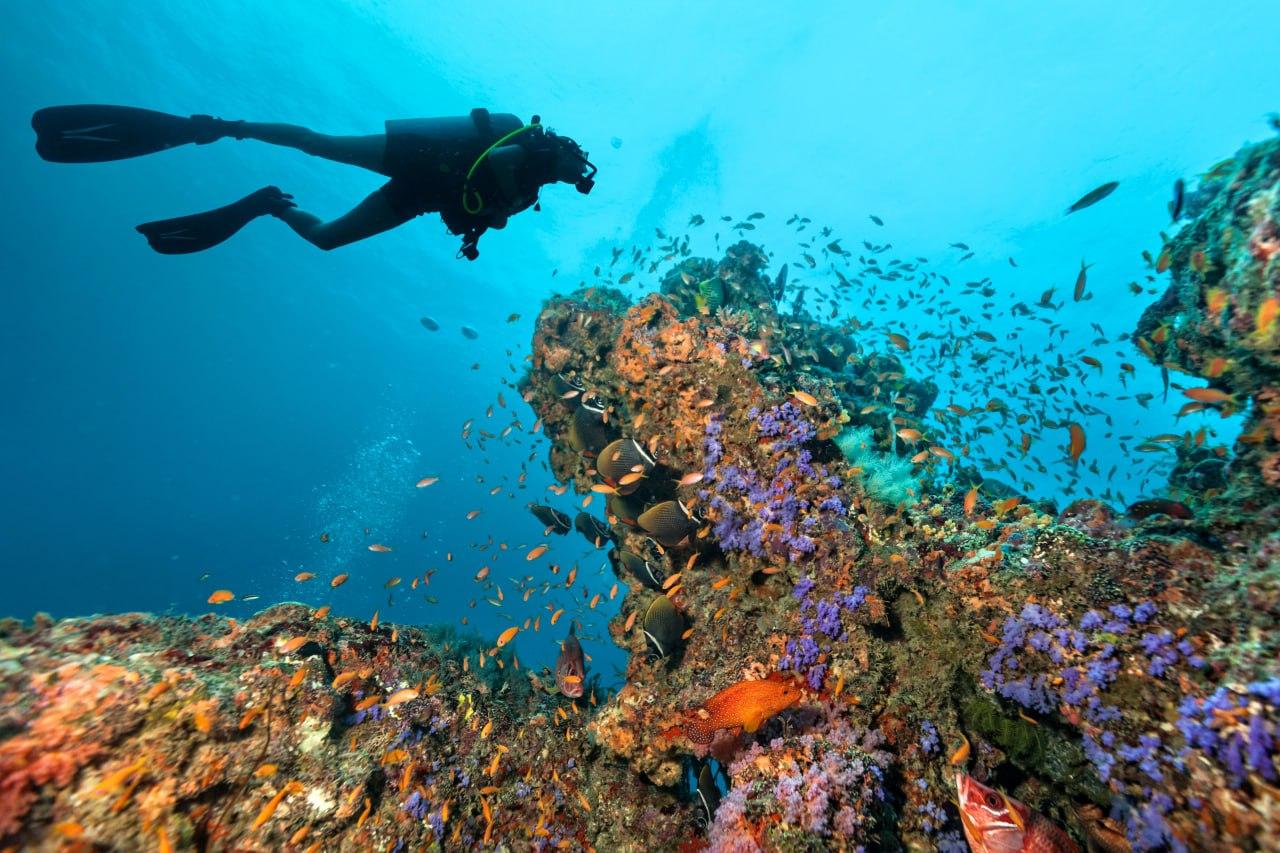
Phi Phi Diving Experience
Use Phi Phi as a genuine dive base for limestone walls, reefs and Andaman marine life.
View this experience →
