


Wellness for Long-Stay Expats
Build a routine you can actually keep when Thailand is home, not a holiday.
Build a routine you can actually keep when Thailand is home, not a holiday.
For long-stay residents, wellness is less about booking a retreat and more about building a reliable weekly system: a gym you will use, food you enjoy, a doctor you trust, regular dental care, occasional massage and enough social contact to make the routine sustainable.
This guide is built for normal travellers and residents: what the experience actually involves, where Thailand does it particularly well, what is worth paying for and what to check before you book.
Know what you are booking before you hand over a day of the trip.
Choose services by geography. A brilliant gym 45 minutes away in Bangkok traffic is usually worse for your health than a decent one five minutes from home. Long-term wellness is mainly about removing friction.
The best choice is usually the one that fits your time, your location and how much structure you genuinely want. Convenience is part of wellbeing too.
Four ways to approach it.
Weekly movement
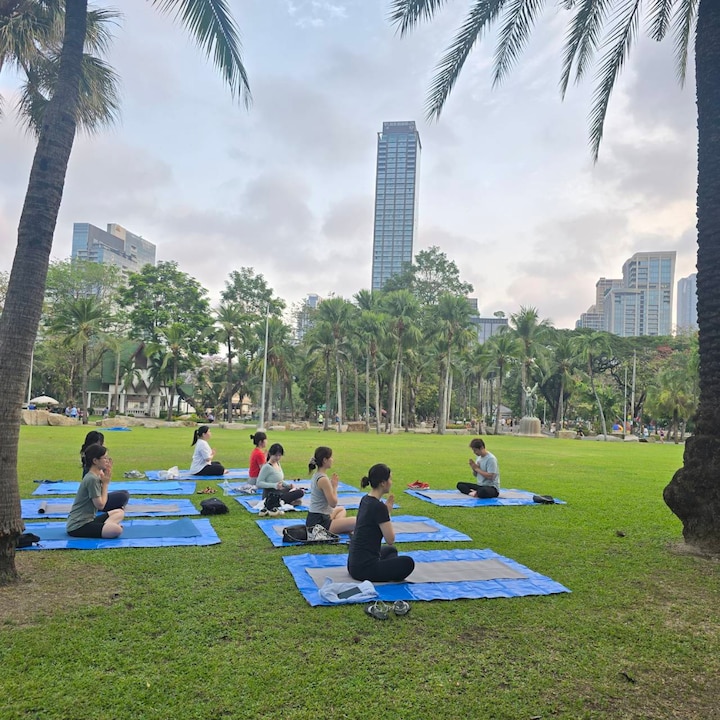
Choose a gym, pool, yoga studio or sport close enough to become automatic.
Preventive care
Keep regular dental, eye and health checks rather than waiting for a crisis.
Recovery routine
Massage, physio and mobility become more useful when they are occasional maintenance rather than emergencies.
Lifestyle structure
Sleep, alcohol, food, sunlight and social routine matter more over years than spa treatments.
Five destinations to put on the shortlist.
Different parts of Thailand suit different kinds of wellness. Use these as starting points rather than hard rules.
Bangkok
Maximum choice for hospitals, gyms, specialist care and every lifestyle service.
Chiang Mai
Lower living costs and compact neighbourhoods make routines easier to sustain.
Pattaya / Jomtien
Large expat population, strong private healthcare and convenient everyday services.
Hua Hin
Slower pace, golf, beach walking and good private medical access.
Phuket
Excellent facilities, though traffic makes neighbourhood choice important.
Nine names and places worth knowing.
This is not a ranking. It is a useful cross-section of established operators, destination retreats, clinics, spas, studios and facilities that help explain what this part of Thailand’s wellness scene looks like.
Bangkok Hospital network
Private hospital network useful for continuity of care.
Bumrungrad International
Strong specialist and preventive-health option for Bangkok residents.
Chiang Mai Ram Hospital
Established private hospital used by many long-stay residents.
Bangkok Hospital Pattaya
Large private hospital serving the Eastern Seaboard.
Bangkok Hospital Phuket
Major private healthcare option for island residents.
Jetts Fitness
Convenient mainstream gym chain for repeatable routines.
Virgin Active
Premium clubs with broad facilities and classes.
Health Land
Reliable massage option for occasional recovery and maintenance.
Local parks & walking routes
Free, repeatable and often the easiest way to keep activity consistent.

Five checks that prevent the wrong choice.
- Check the actual timetable. A beautiful website can hide a schedule you would hate.
- Check who is delivering it. Qualifications matter whenever the service becomes clinical, rehabilitative or highly specialised.
- Check the total price. Ask about taxes, service, meals, facilities, transfers and extras.
- Check the geography. Bangkok traffic, island ferries and resort roads can turn a short booking into half a day.
- Check your own goal. Relaxation, performance, recovery and medical support are not interchangeable.
A simple way to build the day.
Morning
Use the coolest part of the day for movement, travel or anything physically demanding.
Midday
Eat, hydrate and avoid stacking too many appointments simply because they fit on paper.
Afternoon
Massage, spa, recovery or a quieter class works naturally when the heat is highest.
Evening
Leave enough unscheduled time for dinner, sleep and actually enjoying where you are.
Spend where the difference is real.
Choose services by geography. A brilliant gym 45 minutes away in Bangkok traffic is usually worse for your health than a decent one five minutes from home. Long-term wellness is mainly about removing friction. Premium pricing makes sense when you are paying for expertise, privacy, exceptional facilities or a setting you genuinely value — not simply because the word “wellness” appears on the menu.
Wellness for Long-Stay Expats: before you go
Do I need to book ahead?
Book ahead for specialist programmes, famous retreats, weekends and premium spa slots. Everyday massage, cafés, gyms and many classes are easier to arrange locally.
Which destination gives me the most choice?
Bangkok has the broadest overall range. Phuket and Koh Samui are strongest for resort wellness, Chiang Mai is excellent for slower long stays, and Hua Hin is especially strong for structured destination wellness.
How do I judge value?
Compare the whole experience: expertise, time, facilities, setting, location and what is included. The cheapest headline price is not always the cheapest day once transport and extras are added.
What if I have a health concern?
Tell the provider before booking when a condition could affect a treatment or activity. For medical questions, diagnosis or medication, use appropriately qualified medical care.

