


Pattaya → Bangkok Weekend
A reverse escape from the coast into Bangkok’s royal history, Chao Phraya river life, Chinese-Thai neighbourhoods, markets, food culture and modern city energy.
Bangkok Weekend deserves more than a pin on the map.
Bangkok is close enough to Pattaya that it is easy to treat it as an airport, shopping run or business trip. That undersells it. A two-night weekend works best when the capital becomes the destination in its own right: a change from the coast into a city of royal history, river trade, Chinese-Thai neighbourhoods, markets, temples, contemporary galleries and one of Southeast Asia’s deepest food cultures. The motorway makes the transfer straightforward, but the real trick is to stop thinking in terms of crossing the whole metropolis and instead build the weekend around connected districts.
Begin with the Chao Phraya and Rattanakosin because they explain why Bangkok is where it is. The present capital was established in 1782 under King Rama I, and the old royal district still concentrates some of the country’s most important architecture. The Grand Palace and Wat Phra Kaew represent the ceremonial centre; Wat Pho adds monumental temple architecture and a long association with traditional learning; Wat Arun rises across the river in Thonburi. Seen together, they are not three isolated attractions but parts of the same river-city story.
The river is more than scenery. Long before elevated railways and expressways, waterways moved people, produce and merchandise through the city. Even now, ferries and river boats are one of the most satisfying ways to understand Bangkok’s geography. A short crossing changes the view completely: temple roofs, old warehouses, riverside communities, hotels, piers and modern towers appear in the same frame. For a weekend visitor, using the river also turns necessary transport into part of the experience instead of losing hours in road traffic.
From the old royal city, move into Bangkok’s Chinese-Thai commercial districts. Yaowarat is famous for its night-time food scene, but its importance runs deeper than neon signs and queues. Gold shops, herbal medicine stores, shrines, wholesalers, markets and generations of family businesses show the commercial networks that helped shape modern Bangkok. Walk the smaller streets before dinner and the district becomes much more legible; return after dark and the same area changes character as grills, seafood stalls and dessert shops take over the evening.
Talat Noi and nearby Song Wat are ideal for the slower part of the weekend. Talat Noi sits beside the river on the edge of Chinatown and rewards walking rather than sightseeing by checklist. Old shophouses, Chinese shrines, mechanical workshops, weathered warehouses, cafés and changing street art occupy the same narrow lanes. Song Wat adds another layer of trading history, with old commercial buildings now sharing the street with restaurants and creative businesses. This is Bangkok at human scale, where the interest is in the texture between landmarks as much as the landmarks themselves.
Food should be treated as one of the main reasons to make the trip. Bangkok allows a weekend to move from market breakfast to noodles, roast meats, dim sum, curry over rice, seafood, Isan grills, regional southern cooking and ambitious contemporary Thai restaurants without repeating the same style twice. Rather than chasing a generic list of famous restaurants across opposite sides of the city, choose food that belongs to the neighbourhood you are already exploring. Yaowarat works after dark; the old city is good for long-established local shops; riverside and central districts can carry the more polished evening meal.
The modern city deserves space as well. Bangkok’s skyline, malls, galleries, cocktail bars, rooftop venues and design-led restaurants are not distractions from its heritage; they are the newest layer of the same city. The most rewarding weekend deliberately creates contrast. Spend the morning among temple courtyards and river ferries, the afternoon in old trading streets and the evening somewhere high above the traffic. That shift in scale is one of the reasons Bangkok remains interesting even to people who have visited many times.
For Pattaya residents, the practical advantage is that none of this requires a long holiday. Leave on Friday afternoon, stay in one well-connected area and park the car until Sunday if possible. BTS, MRT, river boats, taxis and walking will usually make more sense than repeatedly driving across central Bangkok. Two nights are enough for a coherent city break if the route is disciplined: one historic-river day, one neighbourhood-and-food thread, and enough unplanned time to let Bangkok surprise you.
Bangkok as a destination, not a transfer point
From Pattaya, Bangkok is close enough to be familiar but large enough to support dozens of completely different weekends. The mistake is trying to “do Bangkok” in two days. Choose a story: old Rattanakosin and the river, Chinatown and food, contemporary galleries and neighbourhoods, or markets and canals. A focused weekend feels richer than racing between famous landmarks.
Royal capital and river city
Bangkok became the capital in 1782 under King Rama I, with Rattanakosin established on the eastern bank of the Chao Phraya. The Grand Palace, Wat Phra Kaew and Wat Pho form the ceremonial heart, while Wat Arun faces them across the river. Yet the river itself is equally important: ferries, canals, warehouses, temples and old communities show how the city functioned before roads and rail systems took over.
Chinatown, markets and neighbourhood culture
Yaowarat is one of Bangkok’s great food districts and the visible centre of a Chinese-Thai community whose commercial history is fundamental to the city. Explore beyond the main neon road into Talat Noi, Song Wat and riverside lanes. Elsewhere, Pak Khlong Talat flower market, old shophouses, contemporary galleries and neighbourhood cafés show how Bangkok continually layers new uses onto old districts.
What to eat
Bangkok is the place to make food the itinerary. Boat noodles, roast duck, dim sum, seafood, curry over rice, som tam, grilled pork, mango sticky rice and late-night street food can all belong to the same weekend. Do not chase a generic “best restaurant” list; choose dishes and neighbourhoods, then let the city’s density do the work.

What Bangkok Weekend is famous for
Rattanakosin and the Chao Phraya are the historical heart of the weekend. Bangkok became the capital in 1782, and the old city still contains the royal and religious landmarks that define the early Rattanakosin period. The Grand Palace, Wat Phra Kaew and Wat Pho sit within a compact historic zone, while Wat Arun faces them from the Thonburi bank. Give this area a full morning rather than racing through it: architecture, courtyards, river crossings and the changing skyline make much more sense when experienced as one connected district.
Yaowarat is famous for food, but Chinatown is equally important for its trading culture. Chinese-Thai merchants, gold businesses, markets, shrines and specialist shops have shaped these streets for generations. The district is at its most theatrical after dark, when signs glow above the road and food stalls pull crowds onto the pavements, yet the quieter daytime lanes reveal the history behind the spectacle. A good weekend uses both versions of Chinatown rather than arriving only for dinner.
What you will actually see
Talat Noi and Song Wat show a more intimate Bangkok. Expect narrow lanes, ageing shophouses, Chinese shrines, engine and metal workshops, old warehouses, street art and cafés inserted into buildings that still carry the marks of earlier commercial life. The appeal is not a single monument. It is the accumulation of details: incense at a shrine, stacked machinery outside a workshop, faded timber, a mural around the next corner and sudden glimpses of the Chao Phraya between buildings.
The river remains visible throughout the weekend. Public ferries, express boats and short crossings reveal a city whose original transport logic was based on water. From the boat you see temple roofs, piers, hotels, warehouses, condominium towers and working river traffic compressed into one view. It is one of the easiest ways to understand how historic Bangkok and the modern metropolis occupy the same landscape.
Markets and food streets give the city its everyday rhythm. Depending on your route, breakfast might be rice porridge, noodles or dim sum; lunch can be curry over rice or a neighbourhood speciality; evening can move into seafood, grilled meats, desserts and Chinatown street food. Bangkok rewards curiosity more than rigid restaurant collecting, so leave enough room to stop when a busy local shop or market stall looks good.
Modern Bangkok completes the contrast. Galleries, creative districts, contemporary Thai restaurants, cocktail bars, rooftops and the illuminated skyline make a strong final chapter after a day in the old city. The point is not to choose between heritage Bangkok and modern Bangkok. A well-planned weekend puts them beside one another and lets the contrast explain why the capital continues to change without losing the neighbourhoods that built it.
Who should make this trip?
Couples and friends who enjoy walking, eating and exploring neighbourhoods are a natural fit. Bangkok rewards people who are happy to spend an hour in a market, follow a side street, stop for coffee in an old shophouse and change the plan when something interesting appears. The itinerary provides structure, but it deliberately leaves room for those discoveries.
Food-focused travellers should make the trip with an appetite and a short list of dishes rather than a long list of restaurants. The density of Bangkok means each district can provide its own breakfast, lunch, snacks and dinner. Building meals around the neighbourhood reduces unnecessary travel and turns food into a way of understanding the city rather than a separate activity.
Repeat visitors to Thailand may enjoy this weekend most of all because it moves beyond the standard landmark circuit. Rattanakosin is included, but Talat Noi, Song Wat, river transport and neighbourhood eating make the route feel lived-in. Anyone who dislikes heat, crowds or heavy walking should plan an earlier start, use rail and boats intelligently and build in café or hotel breaks rather than trying to cover the city continuously.
A proper route, not a list of pins
Use this as the starting itinerary, then open it in Explorer to change the pace, hotels or experiences.

FRIDAY — Pattaya → Bangkok
SATURDAY — Royal Bangkok, river and old trading streets
SUNDAY — Market morning and a final Bangkok neighbourhood
Three bases that fit this route
Choose the stay that matches your budget and pace; the route itself stays intact.

Aman Nai Lert Bangkok
A refined central Bangkok base for travellers who want a polished city stay with straightforward access to the capital’s modern districts.
Check this hotel →
Bangkok Weekend Boutique Stay
A smaller city base suited to a two-night Bangkok break where neighbourhood access matters more than resort facilities.
Check this hotel →
Bangkok Weekend Heritage Hotel
A heritage-leaning option that fits a weekend built around old Bangkok, the river and the city’s historic trading districts.
Check this hotel →Three bookable ideas that belong here
No unrelated multi-day loops or chauffeur services: these are selected to match the place and the weekend.

Wat Arun & Chao Phraya River Bangkok
Use a guided river-and-temple experience to connect Bangkok’s historic river geography with one of its defining landmarks.
View this experience →
Yaowarat Chinatown Food & Night Streets
Explore Chinatown through the food, markets, shrines and commercial streets that make Yaowarat one of Bangkok’s essential evening districts.
View this experience →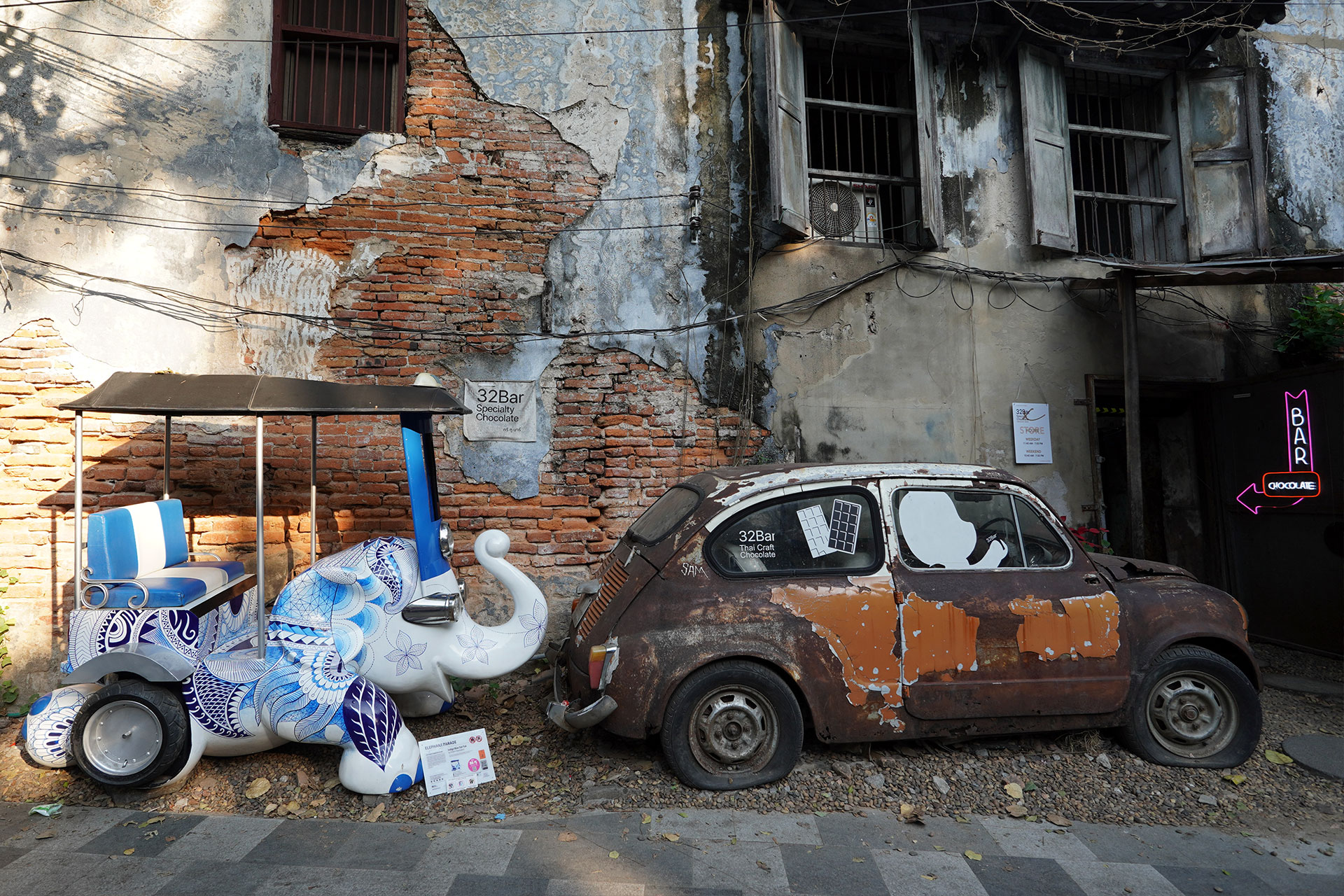
Talat Noi Heritage Streets & Old Bangkok
Walk the riverside lanes of Talat Noi for Chinese-Thai heritage, old shophouses, working mechanical workshops, shrines, street art and the texture of old commercial Bangkok.
View this experience →
Where will Thailand take you next?
Three more live Pattaya weekends, rotated from the routes already built.
